Guanajuato is not a city with a single season. It sits high, at about 2,000 metres, in a ravine among dry hills, and that altitude shapes every month: strong sun by day, cool or cold nights, and a long dry spell broken by a summer of rain. On top of the weather comes a calendar of festivals that can turn the same lanes from sleepy to packed within a week.
There is no wrong time to walk here, but each part of the year asks for a slightly different plan.
The shape of the year
Broadly, the year splits in two. The dry season runs roughly from November to May. Skies are often clear and deep blue, the hills turn brown and gold, and days are sunny and mild to warm. The rainy season runs roughly from June to September, when afternoon or evening storms become common and the hills around the city turn green.
Through both halves, the altitude keeps nights cooler than visitors from the coast expect. Even after a warm day, the air in the lanes cools quickly once the sun drops behind the hills. Exact temperatures and rainfall vary from year to year, so check a forecast before you pack, but plan on layers in any month.
The dry months
From November through February, the days are usually bright and comfortable for walking, and the nights can be properly cold, enough for a jacket and sometimes more. This is a fine time for long days in the alleys and for climbing to viewpoints, when the dry air makes distant hills look sharp.
From March into May, the heat builds. Middays can be hot, especially on the open hillside stairs, and the land is at its driest. Walk early and late, rest in the shade of the plazas at midday, and carry water. The steep lanes and stairways are easier in the cool of the morning than in the afternoon sun.
Rain and green hills
When the rains arrive, usually around June, the pattern often shifts to sunny mornings and cloud building through the day, with storms in the afternoon or evening. Downpours can be heavy but short. The stone steps become slippery, water runs fast down the lanes, and it is worth having a plan for an hour indoors: a museum, a church, or a covered market.
The reward is colour. The bare hills turn green, the air is washed clean, and the painted houses look brighter against wet stone. The city's long struggle with floodwater, and the dams and tunnels built to manage it, make more sense when you see how quickly the rain gathers in the ravine.
Festivals across the calendar
Several dates stand out, and all of them move or vary, so check current details before you plan around them.
Día de las Flores
The Friday before Holy Week is the Día de las Flores, the Day of the Flowers, tied to the Viernes de Dolores, the Friday of Sorrows. In Guanajuato it is celebrated with flowers sold and given around the Jardín de la Unión, starting very early in the morning, and with altars to the Virgin of Sorrows in homes and churches. Because Holy Week follows the moon, the date moves each year between March and April. The garden is the heart of it, so arrive early.
Holy Week
The week that follows brings processions and church services, and the city fills with visitors from elsewhere in Mexico. Expect busier streets and plan accordingly.
The Cervantino in October
The biggest event of the year is the Festival Internacional Cervantino, which usually takes place in October. It grew from student performances of short plays by Cervantes and now brings theatre, music and dance from many countries to stages, plazas and streets across the city. Exact dates change from year to year; check the programme well ahead, as the city becomes very crowded.
Day of the Dead
Around the first two days of November, families honour their dead with altars, flowers, candles and visits to cemeteries. You will see altars in public buildings and marigolds for sale in the markets, including the Mercado Hidalgo. Treat cemetery visits with respect: these are family occasions first.
December
The end of the year brings the posadas and Christmas celebrations, with lights in the plazas and cold, clear nights. It is a good time for walking, with fewer crowds than October.
Choosing your time
If you want comfortable walking weather and clear views, aim for the dry season, especially late autumn and winter. If you want the city at its liveliest, go in October for the Cervantino or at the start of November for the Day of the Dead, and accept the crowds. If you like green hills and do not mind an afternoon storm, the rainy months are quieter and fresh.
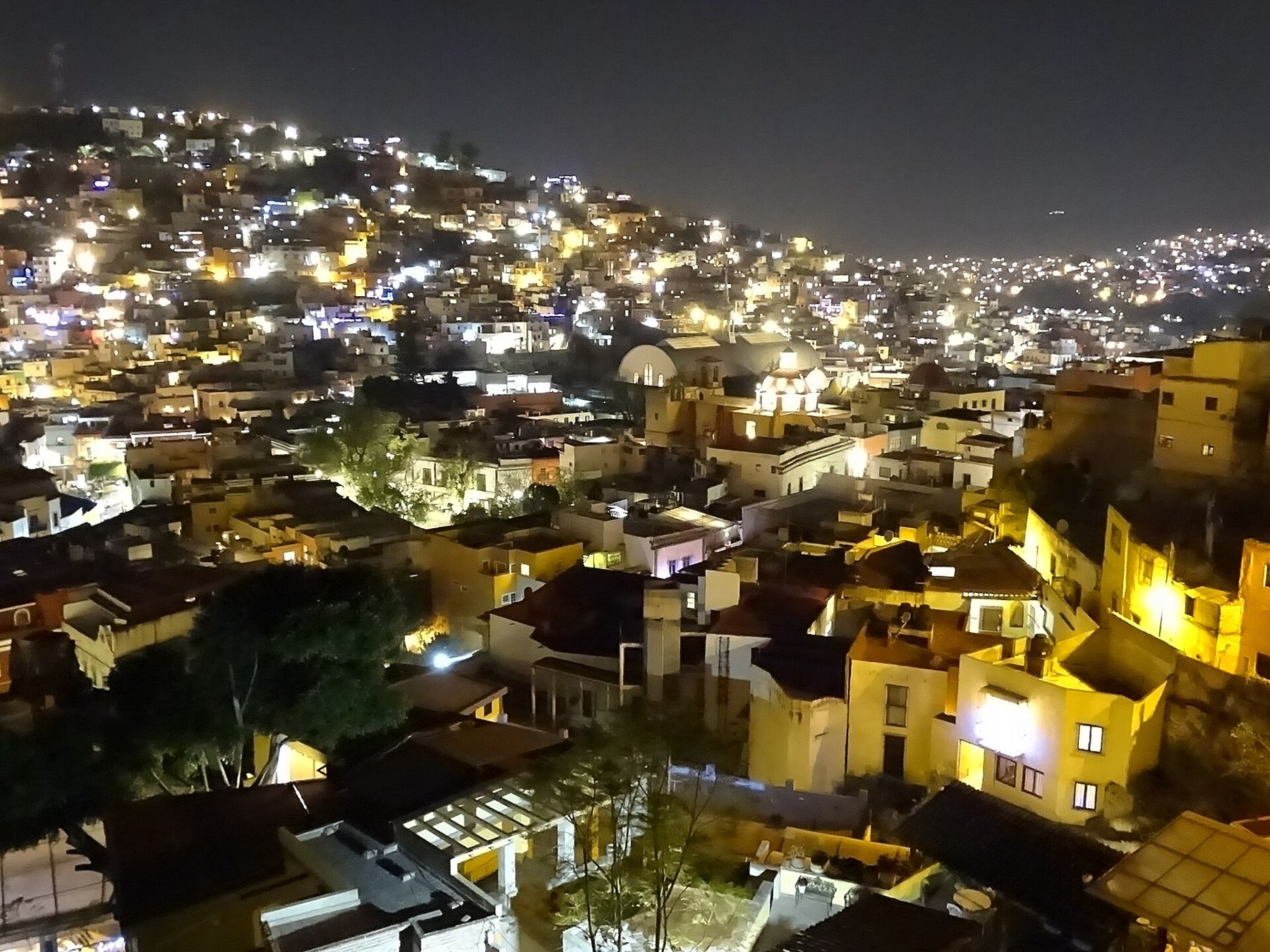
Whatever you choose, the evenings are often the best part. As the light goes, lamps come on up the hillsides one by one, and the whole ravine glows. The view from the hill monument of El Pípila is the classic place to watch it happen.
What to pack
- Layers in every season: a warm top for evenings, more in winter.
- A sun hat and sunscreen. The sun at 2,000 metres is strong even when the air is cool.
- A light rain shell or umbrella from June to September.
- Shoes with grip for stone stairs, especially when wet.
- Patience in festival weeks, when rooms, buses and plazas fill quickly. Book transport and plans early and check dates again before you travel.
Guanajuato rewards repeat visits because it changes so much with the season. The lanes are the same lanes, but the light, the sound and the crowd on them are not.